The Federal Foreign Office and LIA-Leipzig International Art Programme are pleased to announce the six artists from Colombia, Guatemala, Mozambique, Nepal, Bangladesh and Senegal who have been selected for a three-month residency at LIA for the period August 2026 to January 2027.
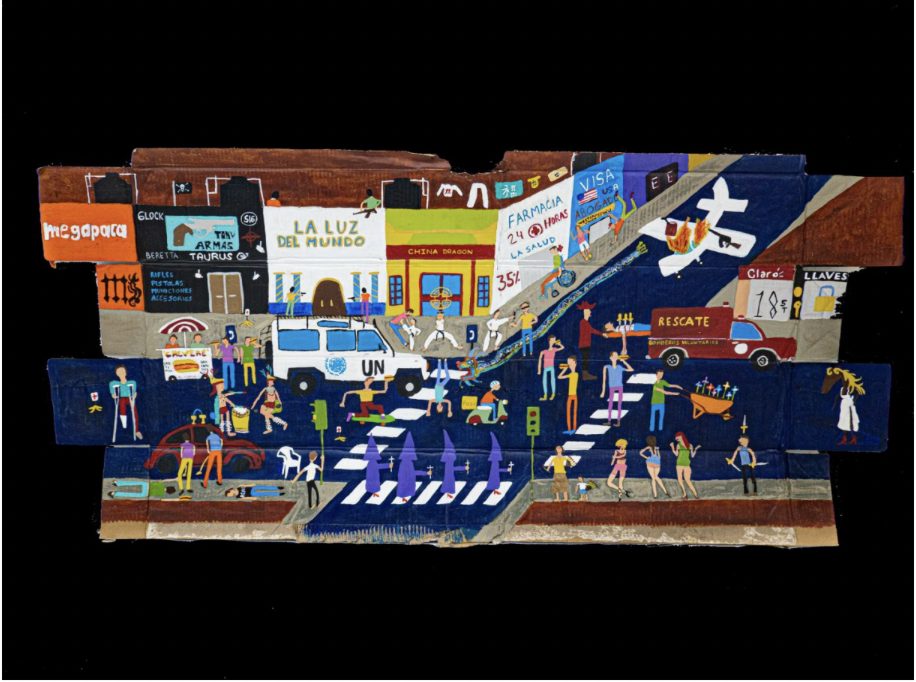
Gerardo Cordón (Guatemala)
“I build a visual memory of the world I inhabit — submerged in narratives charged with politics, cartomancy, love, migration, imperialism, civic participation, sexual diversity, justice, democracy (and its antitheses), and contemporary history. Through art, I document with rigor both private and collective life: its roughness, its ambitions, and its tragedies. I work across multiple surfaces that I find in the street: pizza boxes, flattened cans, wire, stones, and a variety of found objects. My artistic work is not a rupture but a continuation of what I have been doing all my life — yet with a freedom I had never experienced before. I make work from a place of absolute risk and danger, in a country that has been looted and that suppresses freedom of expression and access to the basic conditions of a full life.”
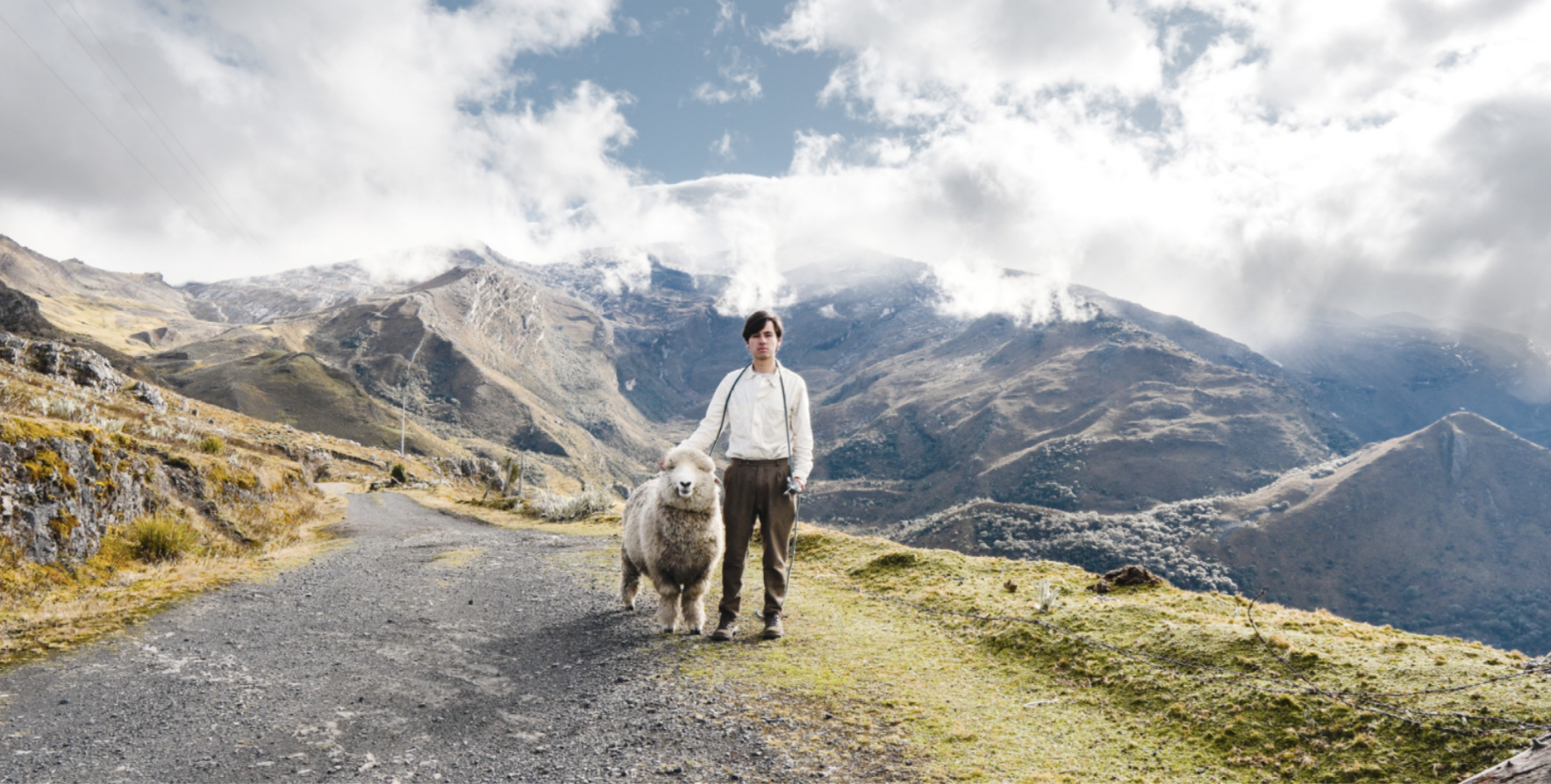
Andrés Quintero (Colombia)
“Rooted in Güicán, Boyacá, Colombia, my artistic practice intertwines historical inquiry with autoethnographic perspectives. I explore the origins and evolution of technologies, crafts, and creative languages within the rugged context of the countryside. From this place, I cultivate a deep connection with the living beings that inhabit the land and the materialities that resonate in harmony with this ecosystem. Through practices of observation, listening, and touch, I investigate the diverse bodily relationships that emerge within the creative environment I inhabit. Walking is a fundamental part of my work an embodied act through which I engage with the notion of a terrestrial journey. This experience allows me to gather sensitive and immaterial elements that inform a series of plastic gestures such as sculpture, video, and performance through which I weave narratives that blend documentary and fictional dimensions.”
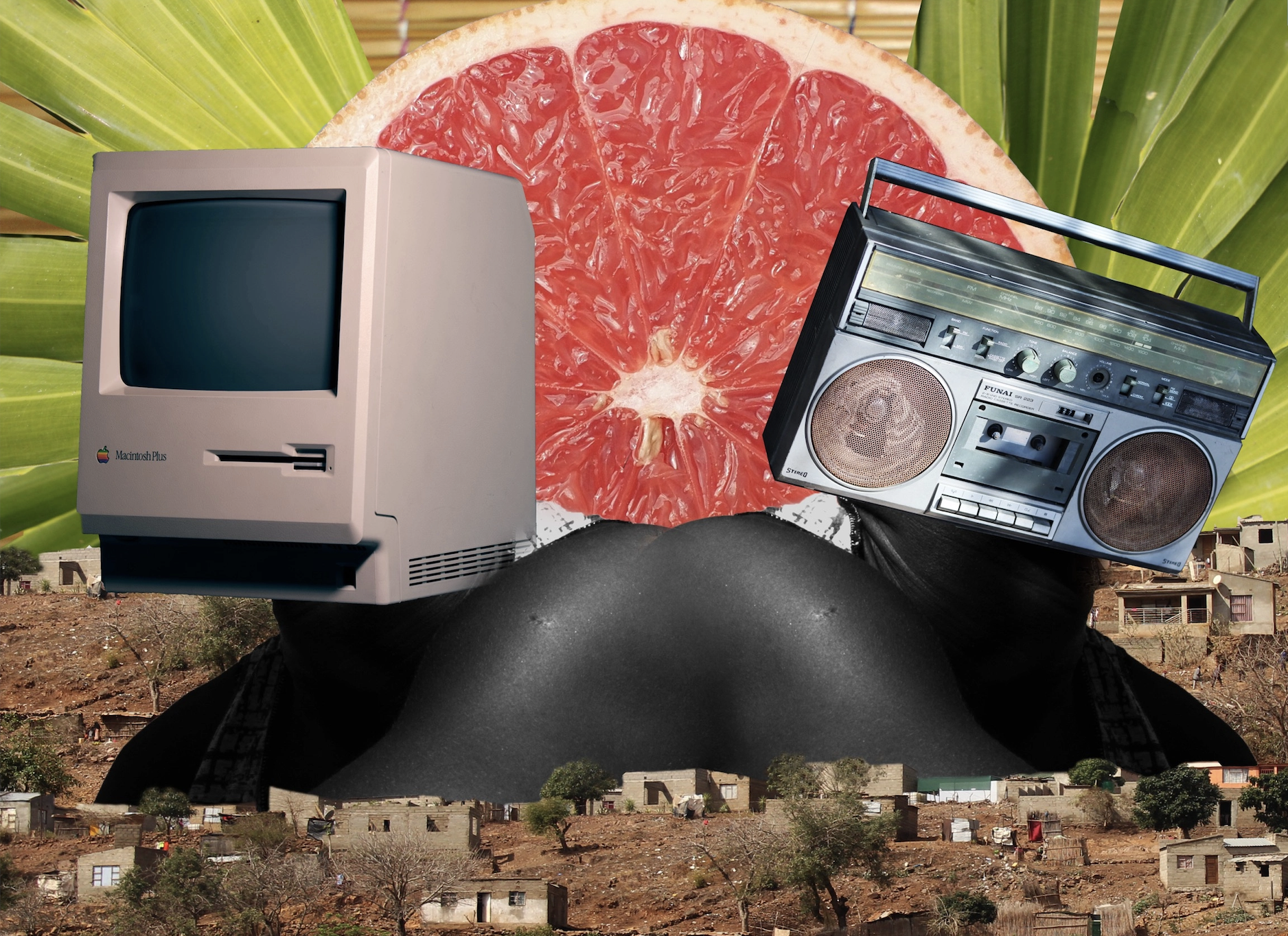
Thandi Pinto (Mozambique)
Thandi Pinto, born in Maputo, Mozambique in 1990, is an artist whose work explores memory, identity, and belonging through photography, digital art, and collage. Her practice combines poetic and political elements, often navigating themes of displacement, diaspora, and the intersection between personal and collective memory.
Her passion for the visual arts has shaped her journey since joining the VêSó photography collective in 2017, where she honed her technical skills and deepened her interest in visual storytelling.
In 2018, she made her debut in the group exhibition VêSó Chamanculo at the Brazil-Mozambique Cultural Center in Maputo. Her work has since been featured in prominent exhibitions, including African Galleries Now 2022(represented by Galeria Arte de Gema) and Visão do Paraíso, also held at the Brazil-Mozambique Cultural Center. That same year, she received an Honorable Mention in the Better Futures Award by Hollard Seguros, selected from over a hundred artists.
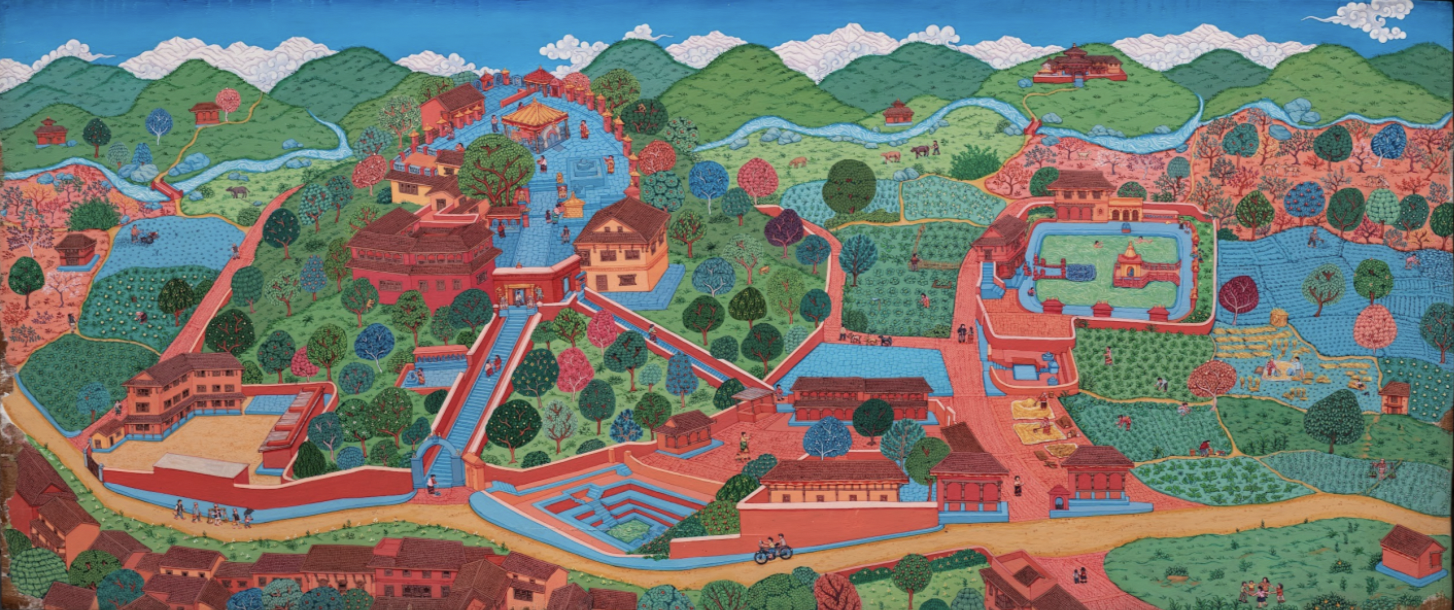
Hitesh Vaidya (Nepal)
Hitesh Vaidya in his practice believes that human experiences are encapsulated in the things we use and the space we live in. It works as reference in the process of remembrance, can evoke emotion and aid in identity formation for individuals, families and communities. His work questions the idea of where we belong and what belongs to us. Drawn for the personal experience, he intends to touch the communal memory of the people. His practices as a medium includes painting to painterly intervention into existing objects and working among still and moving images.
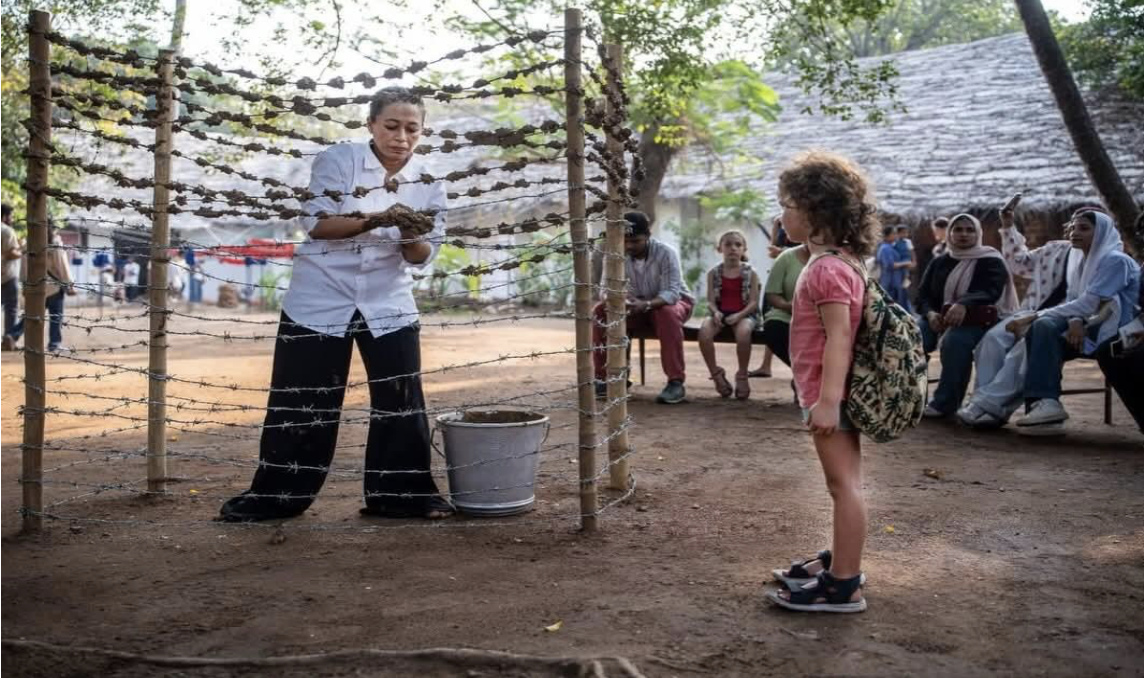
Yasmin Jahan Nupur (Bangladesh)
Yasmin Jahan Nupur is a visual and performance artist born in Chittagong, Bangladesh. Her work is influenced by the ecological and community-driven aspects of life. Depicting human relationships from various points of view, she explores class distinctions and the social discrepancies faced by women migrants of South Asia. Her recent work has engaged deeply with architecture, landscape sifting/displacement, and textiles, emphasizing Jamdani. She has been on a performance residency at the Delfina Foundation in London. Her significant works have also been presented by the Mao Jihong Arts Foundation in collaboration with the Centre Pompidou, Whitworth Art Gallery, The Serendipity Arts Festival, Dhaka Art Summit, and Bangladesh Pavilion of 54th Venice Biennale. Her work has been recently acquired by The TATE Museum, London.
Through her artistic practice, Yasmin seeks to bridge cultural gaps and foster understanding among people from different backgrounds. She is passionate about sharing her own culture and values, and she believes that collective participation and collaboration with the community can lead to increased empathy and mutual appreciation.
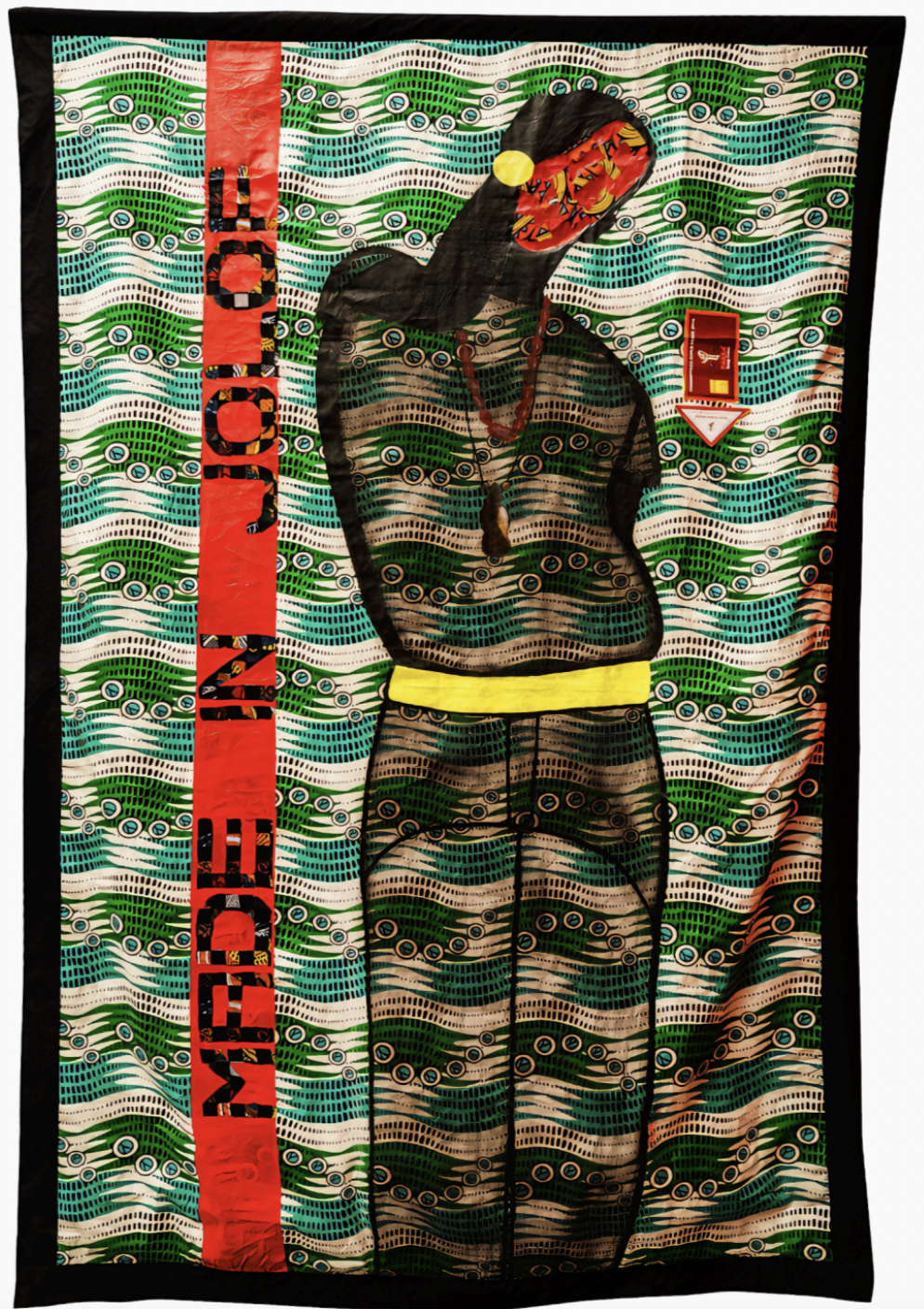
Kha Bamba (Senegal)
Inspired by her seamstress mother and his uncle Papa Ibra TALL, a textile artist, precursor of art in Senegal, he decided to work with textiles, fabrics as a medium and which is a material very present in his environment and his daily life. Through an assemblage of fabrics, textiles, painting and sewing, Kha Bamba presents characters who blend and dissolve in a decor of textiles whose traditional functions have been rethought. Anonymous, these stylized figures appear as archetypes of a pan-African culture and question the malleable relationship of each person to cultural identity. He cuts, glues, weaves, assembles and paints figures in shapes inspired by the dress codes, accessories and symbols of various west african religious and ethnic groups, as well as african pop music, fashion and photography.
Kha Bamba creates works that question the relationship between identity and cultural openness and evoke the interrelation between cultures, traditions and modernity.
Project partner: